

EV Are Reducing Ethanol Consumption, Changing The Farming Landscape
How are EVs changing the farming landscape for industrial hemp?+
EVs are projected to take a large share of the vehicle market by 2030, putting tens of millions of corn-ethanol acres at risk — industrial hemp fiber and grain are one crop that can absorb part of that land shift.
Understanding US Ethanol Production and Consumption
The U.S. ethanol market stands as a crucial component of both the agricultural and automotive sectors, boasting a significant presence in the nation's fuel landscape. With an annual production capacity surpassing 15 billion gallons, ethanol plays a pivotal role in meeting the country's fuel needs while fostering economic growth in rural communities. The market's growth is fueled by government mandates such as the Renewable Fuel Standard (RFS), which stipulates the blending of renewable fuels like ethanol into transportation fuel to reduce greenhouse gas emissions and enhance energy security.
Consumer vehicles represent a substantial portion of the demand for ethanol in the United States, with a notable percentage of ethanol consumed through blending in gasoline. While precise figures may vary, estimates suggest that approximately 90% or more of gasoline sold in the U.S. contains ethanol as a blending component. This widespread adoption of ethanol-blended gasoline underscores its importance in powering the nation's vast fleet of cars, trucks, and SUVs. Ethanol's popularity among consumers stems from its ability to boost octane levels, improve engine performance, and reduce harmful emissions, thus contributing to cleaner air and enhanced vehicle efficiency.
The Societal Shift For Motor Vehicles to EV
7.6% of motor vehicles on the road today are electric, showcasing a rather small size of the overall consumer vehicle market. Reports showcase that by 2030, more than 65% of the consumer vehicle market will be electric vehicles. Heavy vehicles will remain diesel for now and will not immediately be affected by this change of trends.
These shifts toward EVs are being catalyzed by automotive efficiencies in battery technology and recycling supply chains. Today, 98% of lead-acid batteries are recycled, while a much lower percentage of lithium-ion batteries are recycled. By 2030, we can expect to see a large majority of batteries being recycled, reducing the need for new mined materials to be introduced into the supply chain.
The energy sources for EV vehicles today include coal, natural gas, nuclear, and renewable sources like solar and wind. These are divergent from the current fuel sources of ethanol or gasoline.
This signifies a fundamental shift in how energy is produced and consumed, leaving many agricultural markets high and dry from consumption.
What It Means For Farmers When People Switch To EV
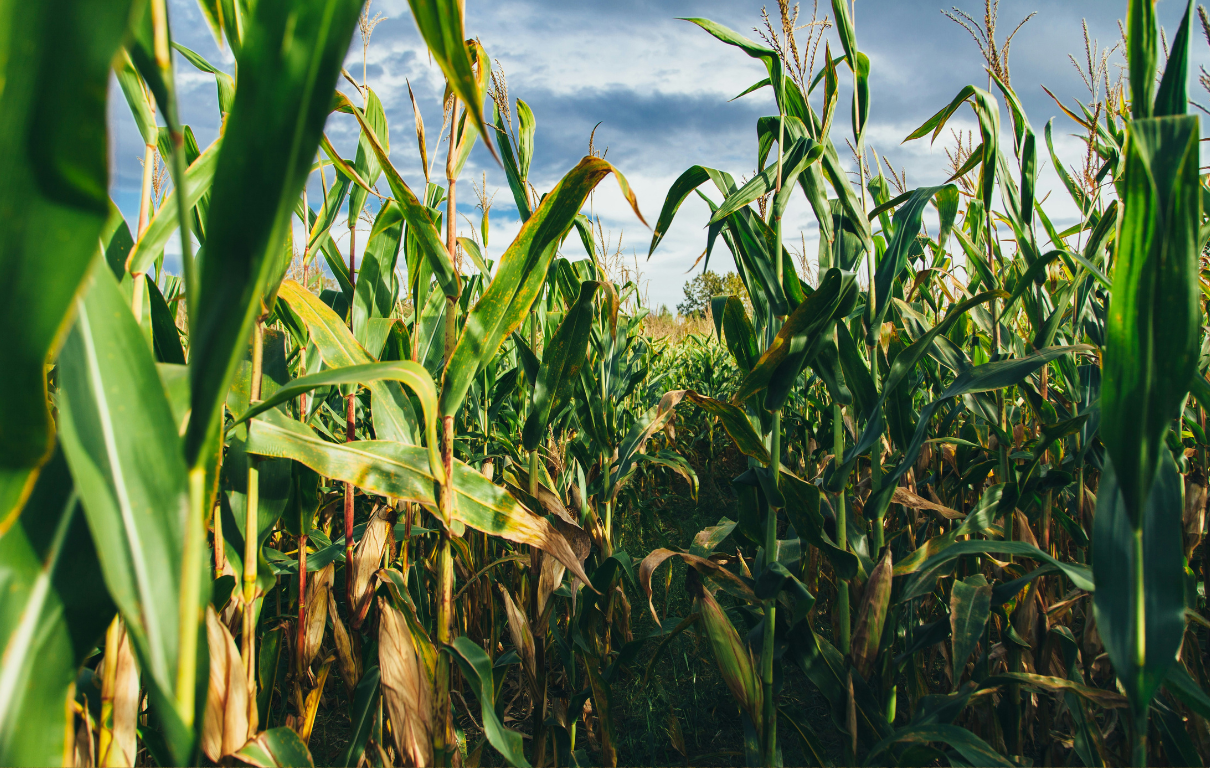
44% — over 40,000,000 acres — of corn are grown annually for the production of ethanol. Within the decade we will see a 50% shift in consumption from the main market for which ethanol is used.
Now one of two things needs to happen: industry needs to find a new use case for corn products, or farmers need to identify a new crop to add to their rotation that makes them less reliant on corn markets.
The answer will end up being a blend of both. Farmers need to derisk and industry needs a decade to identify a new solution for all of this land.
Future-Proofing Farming with Industrial Hemp
Aligning with Sustainable Agriculture Trends
There are 4 key ingredients for manufacturing that come from agriculture: starch, fatty acids, cellulose, and lignin. Different crops usually support each of these individually. Corn is a starchy product, soybean is a fatty acid product, and usually cellulose and lignin are found in forestry products.
Hemp fiber and grain production enables farmers to harvest 3 of the 4 key ingredients — fatty acids, cellulose, and lignin — from a single acre of land.
The economic and chemical opportunity aligned with farming one crop that can support every major marketplace will be a gold mine for farmers coming into 2025.
Long-term Economic Viability
Investing in hemp cultivation now can pave the way for long-term economic viability. As industries continue to explore and expand the use of hemp fiber, early adopters stand to benefit from established operations and expertise in this promising crop.
The use cases for industrial hemp will continue to grow over time, creating a thriving marketplace with limitless growth potential for new and early adopting farmers.
Welcome to the Hemp Fiber and Grain Association — where the future farms.
FAQ
Quick answers from this article.
How much of US corn does the article tie to ethanol?+
44 percent, over 40 million acres, grown annually for ethanol. US ethanol capacity is described as surpassing 15 billion gallons a year.
What EV share does the article cite for 2030?+
More than 65 percent of the consumer vehicle market, from about 7.6 percent of vehicles on the road when the piece was written. Heavy vehicles stay diesel for now.
What shift in ethanol use does the article expect within a decade?+
A 50 percent shift in consumption from ethanol's main fuel market, so either corn finds new uses or some of those acres move to another crop.
Which manufacturing ingredients does one hemp acre supply?+
Fatty acids, cellulose, and lignin. The article lists four agricultural ingredients overall: starch, fatty acids, cellulose, and lignin.
How common is ethanol in US gasoline today?+
The article says about 90 percent or more of gasoline sold in the US contains ethanol as a blend component.